In our first entry of this series just one month ago, Thresholds of Resilience, we explored the closing of the era of digital abstraction, and on investing in systems of national importance that are required to define a future under extreme pressure. It is easy to make the case that we have passed many significant critical thresholds over the past month with the global energy crisis occurring from the conflict in the Middle East.
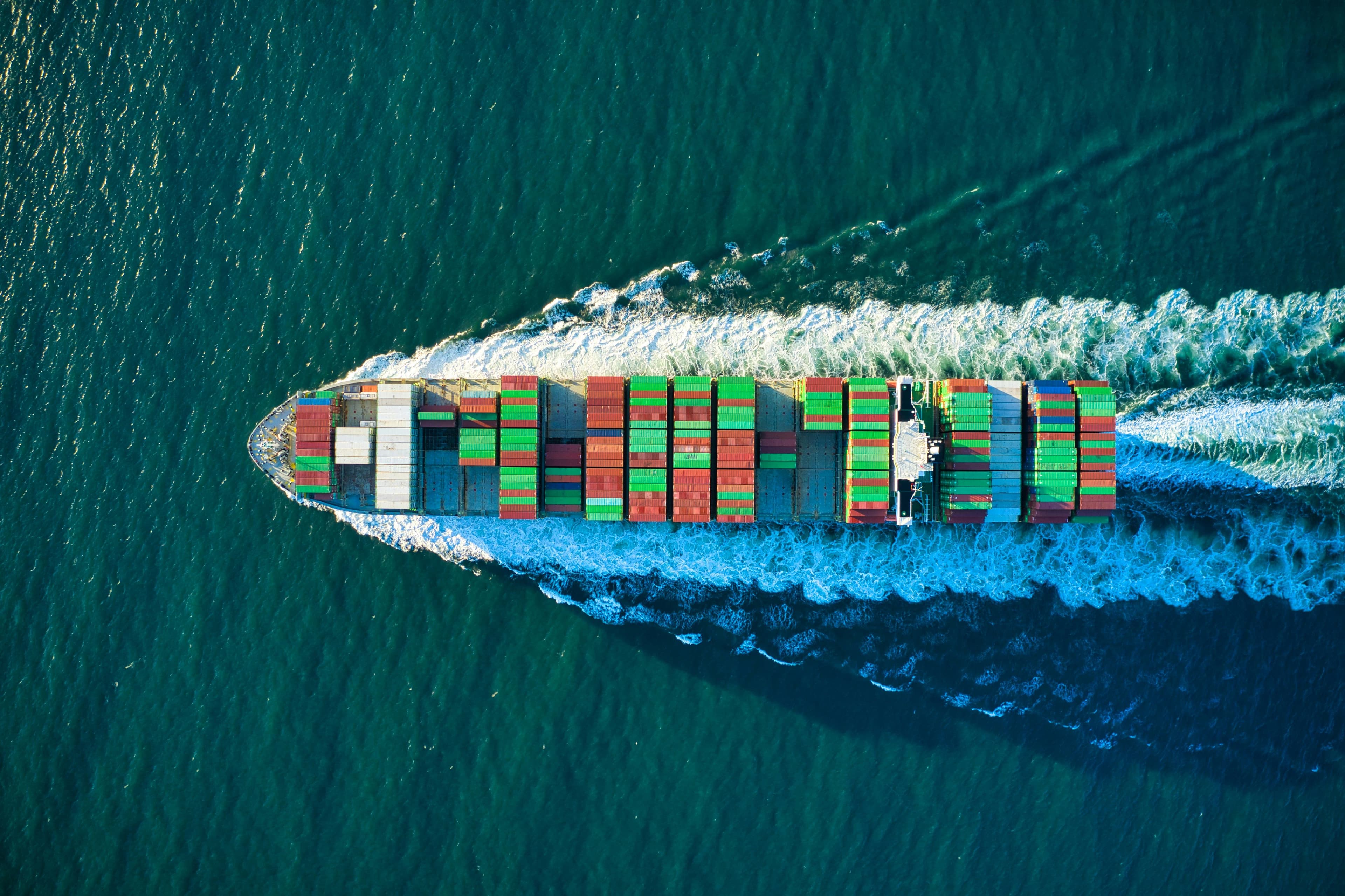
Parts of the global economy had operated under the idea that software could optimize away the frictions of the physical world. We architected a global trade machine for maximum efficiency, predicated on a Just-in-Time model that assumed permanent geopolitical stability. That model has broken. The past month has shown that we have entered into an era defined by material agency, where the physical ability to move goods and energy under persistent pressure determines the survival of industries and the sovereignty of nations. The supply chains and energy infrastructures that define our modern life were built for ultimate efficiency, not for resilience. In a pursuit of the lowest possible marginal cost, we stripped the slack out of nearly every system. We centralized refining, specialized manufacturing into single-source nodes, and funneled the world’s energy through a handful of narrow maritime corridors. In a stable world, this increased profitability and predictability. In the world of 2026, one defined by systemic geopolitical friction and kinetic conflict, it is a catastrophic vulnerability that begs the question-- how do you maintain resiliency when a shock occurs in a system that has no redundancy? The most visceral demonstration of this shift is playing out right now in the Strait of Hormuz, as traffic through this narrow passage has effectively ground to a halt this past month. For a route that traditionally handles 20 million barrels of oil and a massive share of global LNG, the blockade isn't just a price shock; it is a logistics interdiction that will have long-term consequences in production and price levels for an unforeseen period of time. The downstream effects beyond just fuel prices are devastatingly clear. With global supply plunging by 8-10 million barrels per day in March alone, we are seeing more than just soaring fuel prices, we are seeing the failure of the efficient globalism we spent decades building. It has forced a sudden, violent rethinking of energy production and consumption. Nations such as the Philippines are shortening their work week to conserve energy, Japan is releasing 80 million barrels from its oil reserve and reducing reserve requirements. Many nations are realizing that resilient energy; energy that is produced, stored, and distributed locally or through secure channels, is now the only energy that matters. A centralized grid or a distant supplier is a liability in a world of contested logistics. This is not merely an energy story; it is a contested logistics story. The disruption has stranded approximately 10% of the global container fleet and forced a total repricing of risk across the global supply chain, affecting everything from fertilizer to high-tech components. A downstream effect of this is clearly seen from the Helium shortage, itself a byproduct of the natural gas industry. With close to 30% of the world's Helium supply having come from Qatar before the conflict, mostof which is now effectively cut off. Helium is used as a process gas in lithography and semiconductor wafer processing, as well as in fiber optic manufacturing, and in aerospace in rocket engine leak detection & pressurization. These industries are only beginning to feel the supply strain from this critical element in their supply chain, and this depletion of a single, invisible process gas threatens to stall the high-tech industries that assumed software and digital abstraction could bypass the frictions of the physical world. The crisis in the Middle East is a blueprint for what could happen elsewhere. It is no longer just about who owns the resource; it is about who controls the processing and the transit. Consider the "Silicon Stress Point." While high-value AI chips drive half of the tech industry’s revenue, they represent less than 0.2% of unit volume. This hyper-concentration creates a fragility where a single interdicted shipment or a localized conflict in the Taiwan Strait could stall global compute for a generation. Similarly, with China controlling 85% of rare earth processing and recently tightening export controls on materials like tungsten, we see the same pattern: a system optimized for concentrated efficiency is itself a different kind of economic choke point. Our global conduits are no longer merely congested, they are contested. In this landscape supply chain logistics is a primary driver of value and a battlefield imperative. The resilience premium will augment efficiency in supply chains. Companies that can move away from Just-in-Time to prioritizing the highest possible survival rate over the lowest possible cost will be successful in this era. This is a necessary industrial logic. At AV, we are adjusting our strategy to prioritize higher impact and higher returns by backing the infrastructure that is resilient to change. Advantage in 2026 no longer flows to those who build the most exquisite or optimized hardware, but to those who can build, deliver, and endure under persistent stress. We are looking for founders who treat survivability as a core capability rather than an afterthought. We aren't just looking for better versions of old tools; we are looking for the invisible infrastructure that allows the modern world to function when the lights go out or the GPS signal fades. To be more specific, we are looking for ideas that harness the principle of resilience across three major fronts: Solutions that move the point of production and decision-making closer to the point of need, collapsing vulnerable 10,000-mile supply chains; systems that provide navigation, communication, and coordination in denied or degraded environments, ensuring that contested logistics do not become halted logistics; technologies that prioritize the ability to lose assets and still achieve the mission, shifting away from single point of failure platforms toward resilient, distributed networks. The world has passed a threshold. Systems designed for a stable world cannot survive the friction of the present. By architecting for resilience, we are not just preparing for the next conflict; we are building the foundation for the next industrial era. We want to hear from the builders, the engineers, and the strategists: How are you architecting for a world where the lines are no longer straight and the paths are no longer clear? Join us in defining the new standard for a resilient world.